Don't Get Played: The Complete Authentication Playbook for Air Jordan 18s Under $150
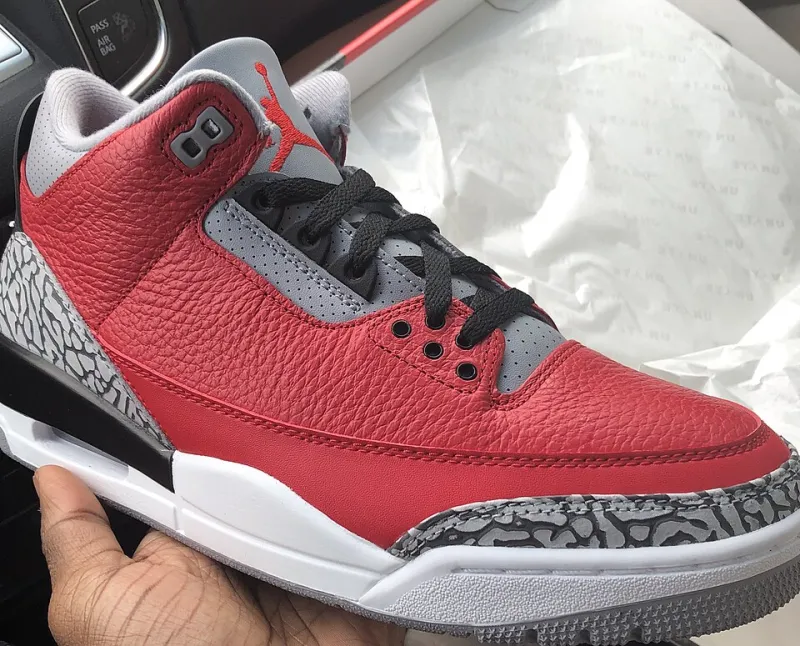
Photo: Djjy96, CC BY-SA 4.0, via Wikimedia Commons
The Air Jordan 18 doesn't get the same breathless media coverage as a Retro 1 or a hyped-up 4, and that's exactly what makes it such a smart pickup for budget-conscious collectors. Prices on the secondary market frequently dip into the $100–$150 range — but that affordability window also attracts a flood of counterfeit pairs. Sellers know budget shoppers are less likely to scrutinize, and fake manufacturers know the AJ18 is just niche enough that most buyers haven't memorized every detail.
That ends today. Whether you're shopping on StockX, eBay, Facebook Marketplace, or a local sneaker swap, here's your complete guide to locking down a legit pair without getting burned.
Why the AJ18 Is a Prime Target for Counterfeiters
Here's the thing about fakes: they follow the money. The Jordan 18 sits in a weird sweet spot where it's desirable enough to copy but not famous enough for most buyers to know every stitch. Counterfeit operations love that combination. The result is a secondary market littered with convincing knockoffs, especially in popular colorways like the Black/Varsity Red and the White/Chrome.
Adding to the challenge, the AJ18's construction is genuinely complex. It features a lace-cover flap system, a distinctive carbon fiber shank plate, and premium leather panels — all of which are expensive to replicate accurately. The good news? That complexity means fakes almost always cut corners somewhere visible, if you know where to look.
The Strap System: Your First and Best Tell
The AJ18's signature lace-cover strap is the single most revealing authentication checkpoint. On authentic pairs, the strap leather sits flush against the shoe body with consistent tension — no bubbling, no uneven edges, and no visible glue residue along the seam line. The magnetic snap closure (present on several colorways) should close with a satisfying, firm click. Weak magnets or snaps that feel hollow are almost always a sign of a fake.
Flip the strap over and check the stitching on the underside. Authentic pairs use tightly packed, uniform stitching in a thread color that matches the colorway's accent tones. If the stitching looks loose, skips stitches, or uses an off-shade thread, walk away.
Midsole and Outsole Checks That Actually Matter
The AJ18 rides on a full-length Air unit paired with a carbon fiber shank plate — and both are commonly botched on fakes. Authentic midsoles have a clean, slightly matte finish. Counterfeits often over-gloss the midsole, making it look almost plasticky under direct light.
For the outsole, flip the shoe and look at the traction pattern. Legit pairs have deep, well-defined grooves with a herringbone-adjacent pattern that feels crisp to the touch. Fakes often have shallower grooves and a rubbery texture that feels almost spongy compared to the firmer compound Nike and Jordan Brand actually use.
Also check the outsole color match. On colorways like the Black/Varsity Red, the outsole's red sections should be a true, saturated varsity red — not orange-tinted, not faded. Fakes routinely miss this.
Colorway-Specific Red Flags
Black/Varsity Red: The most counterfeited AJ18 colorway, full stop. Pay close attention to the Jumpman logo embossed on the tongue — on fakes, the logo is often slightly too large or the arms of the figure look stubby. The red leather panels on authentic pairs have a smooth, even grain. Fake versions frequently show inconsistent grain patterns or a slightly rough texture.
White/Chrome: Counterfeits in this colorway struggle to replicate the chrome metallic detailing, which on authentic pairs has a deep, mirror-like finish. Fakes usually produce a flat silver that looks dull in any lighting. Also verify that the white leather stays bright and clean at the toe box — cheap knockoff leather tends to yellow slightly even on brand-new-looking pairs.
Obsidian/White: Less faked but not immune. Check the navy leather's consistency — authentic pairs use a deep, rich navy that's uniform across all leather panels. Fakes sometimes show variation in the dye, especially near the heel collar.
Listing Red Flags You Should Never Ignore
Authentication isn't just about the shoe — it starts with the listing. Here's what should immediately raise your guard:
- Stock photos only. Any seller unwilling to post actual photos of the specific pair they're selling is hiding something. Period.
- Prices that seem too good. A pair listed at $60–$80 for a colorway that consistently sells at $130+ is almost certainly fake or heavily damaged.
- Vague condition descriptions. "Good condition" without specifics is a cop-out. Ask for photos of the insole, the outsole wear, and the lace cover stitching.
- No box or mismatched box. Authentic pairs should come with their original box. Verify that the box label's size and colorway match what's in the photos.
- New accounts with no feedback. On platforms like eBay or Facebook Marketplace, a seller with zero history and a freshly created account is a significant risk.
How to Negotiate Without Spooking a Legit Seller
If you've done your homework and the pair checks out, there's still room to work the price — especially in the $120–$150 range. The key is framing your offer around condition, not desperation.
Start by acknowledging what you like about the pair: "These look clean, I'm definitely interested." Then pivot to any minor flaws you've spotted — slight creasing, missing lace bag, small scuff — and use those as leverage to justify a lower number. Offering to pay immediately (no PayPal Friends & Family, always use Goods & Services for buyer protection) is another chip you can play. Sellers want fast, clean transactions, and a firm but respectful offer with immediate payment ready often lands you $10–$20 off the asking price.
For local pickups, always meet in a public place and bring this guide on your phone. Don't be embarrassed to check the shoe on the spot — any legitimate seller will expect it.
The Bottom Line
The Air Jordan 18 is one of the most rewarding pickups in the sub-$150 secondary market, but only if you do your due diligence. The fakes are out there, and they're decent enough to fool an unprepared buyer. Arm yourself with these checkpoints, trust your instincts on sketchy listings, and never let urgency push you into a purchase you haven't fully vetted. A great deal isn't great if you end up with a box full of foam and wishful thinking.
Shop smart, stay patient, and the right pair will come through.