Cut Through the Noise: Spotting Overhyped Jordans vs. the Real Steals Worth Your Money
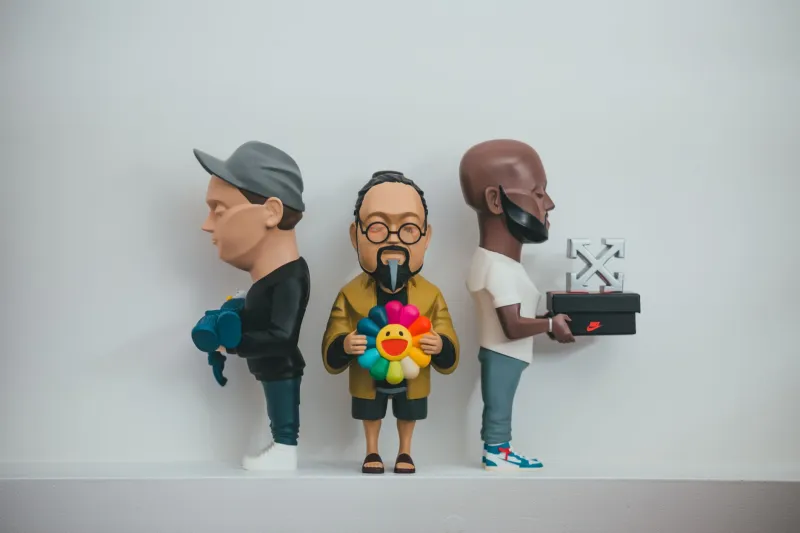
Scroll through Instagram or TikTok on any given Tuesday and you'll see it — some influencer in a ring-lit bedroom holding up a pair of Jordans like they just discovered fire. Comments explode. Resellers list the same pair for double retail within hours. And just like that, another "grail" is born — not because the shoe is special, but because the algorithm said so.
Here's the thing nobody in those comment sections wants to admit: a lot of that hype is engineered. And if you're shopping on a real budget, falling for it is the fastest way to overpay for something that'll be forgotten by next season.
At Cheap Jordans 18, we're all about helping you spend smarter. So let's talk about how to actually read the market — and which silhouettes deserve your dollars right now.
Why Hype Is a Marketing Tool, Not a Quality Indicator
Jordan Brand has been around long enough to know exactly how to manufacture desire. Limited drops, celebrity co-signs, countdown timers — these aren't accidents. They're pressure tactics designed to make you feel like you're missing out if you don't buy right now at whatever price.
Resellers learned the same playbook. When a shoe gets early buzz, they buy in bulk and create artificial scarcity. Suddenly a $150 retail shoe is sitting on StockX for $280, and people pay it because the fear of missing out is stronger than basic math.
The problem? A lot of hyped shoes peak fast and fade even faster. The Jordan 1 Mid in a colorway that had sneaker Twitter losing its mind in January might be sitting at or below retail on GOAT by March. We've seen it happen dozens of times.
Hype is not the same as value. Repeat that.
How to Actually Read Release History
One of the most underused tools in a budget buyer's arsenal is historical sales data. Sites like StockX, GOAT, and even eBay's sold listings give you a timeline of what a shoe actually traded for — not what resellers wanted, but what buyers paid.
Here's what to look for:
Price trajectory after drop day. If a shoe spikes hard at launch and then drops steadily over 60–90 days, that's a hype shoe, not a value shoe. You can almost always wait it out and buy closer to retail — or even below, if the market gets flooded.
Consistent demand over time. Silhouettes that hold their value or slowly appreciate without a major re-release are the real gems. They have an actual collector base, not just a Twitter moment.
Restock frequency. Some colorways get restocked so many times that the "limited" narrative falls apart entirely. If a shoe has dropped four times in two years, it's not rare — it's a catalog shoe with good PR.
The Silhouettes Getting Slept On Right Now
Let's get specific. While everyone's chasing the same Jordan 1 Highs and debating which Dunk is worth the premium, a handful of silhouettes are sitting at genuinely low prices with serious upside.
Air Jordan 11 Low. The High gets all the glory, but the Low version of the 11 routinely drops at or near retail and sits there for months. The build quality is identical. The history is just as deep. But because it doesn't have the same "special edition" energy, budget buyers can actually cop without the headache.
Air Jordan 9. Criminally underrated. The 9 has a strong design legacy — MJ wore it during his first retirement season — but it never gets the hype cycle treatment that the 1, 3, or 11 gets. That means you can frequently find clean colorways in the $130–$160 range without any resale markup.
Air Jordan 13. The "He's Back" shoe. MJordan wore the 13 when he returned from his baseball stint and went on one of the greatest late-season runs in NBA history. Yet the 13 almost never holds a resale premium. You can grab pairs in excellent condition, sometimes even DS (deadstock), without paying a dime over retail.
Air Jordan 18. Yeah, we have to mention it — it's literally in our name. The 18 is one of the most technically interesting Jordans ever made, with an Italian-inspired design and a heritage that most casual fans don't even know about. It flies under the radar compared to the early-number silhouettes, which means the prices stay reasonable while the quality speaks for itself.
Red Flags That a Shoe Is Overhyped
Not every buzzing release is a scam, but there are some reliable warning signs that a shoe is more marketing than merit.
The collab is the whole story. When the entire pitch is "so-and-so designed it" and nobody's talking about the actual shoe construction, materials, or heritage, that's a sign the hype is personality-driven. Collab shoes are fun, but they tend to depreciate once the cultural moment passes.
It's only famous on one platform. If a shoe is huge on TikTok but barely registers on sneaker forums or collector communities, that's a generational hype bubble. Those tend to deflate quickly.
The resale markup is front-loaded. When a shoe jumps 100% on drop day and then slowly bleeds value over the next few months, that's the market correcting for manufactured scarcity. Patience is free.
Nobody can explain why it's special. Ask a hype buyer what makes their $300 shoe worth it beyond the name on the tongue and watch the answer get vague fast. If there's no story — no design innovation, no cultural moment, no performance legacy — you're paying for a logo.
Building a Budget-Smart Collection That Lasts
The goal isn't to avoid all hype forever. It's to be intentional about when hype actually reflects real value and when it's just noise.
A few principles that hold up:
- Buy what has a story. Shoes connected to real moments in basketball history — championships, comebacks, iconic performances — tend to hold cultural relevance over time.
- Prioritize condition over hype. A clean, well-cared-for pair of an "unfamous" Jordan will always turn more heads than a beat-up pair of whatever's trending.
- Let the market breathe. Most shoes come back around. Patience almost always beats panic buying.
- Diversify your rotation. A collection built around one hyped silhouette is fragile. A collection that spans different eras and styles is interesting.
The smartest sneakerheads in any room aren't the ones who copped the most hyped shoe — they're the ones who know why they bought what they bought. That knowledge is worth more than any resale markup.
And it doesn't cost a thing.