Flip the Script: Turn a Cheap Jordan Colorway Into Your Most Personal Pair Yet
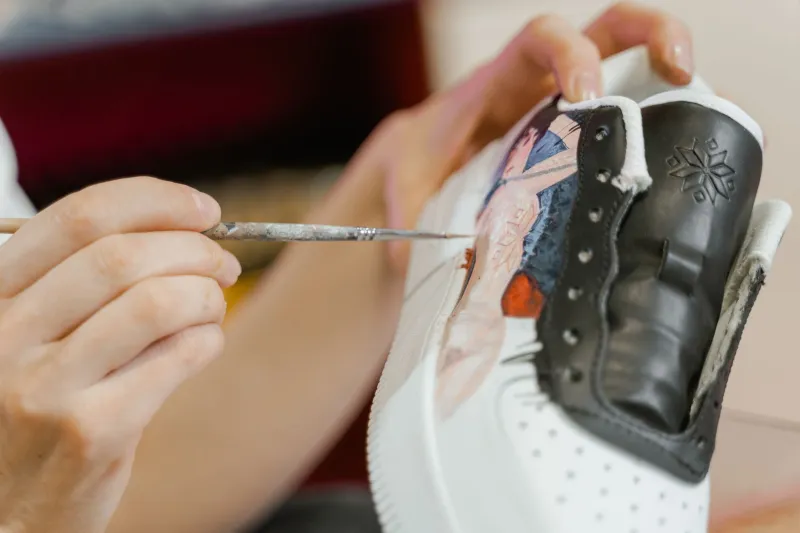
Let's be real — not every Jordan colorway that hits the clearance rack deserves to stay looking the way it came out the box. Some pairs are just waiting for someone with a little vision and a steady hand to unlock their potential. The good news? You don't need a celebrity budget or a professional sneaker customizer to make that happen. The tools are cheap, the techniques are learnable, and the payoff is a pair that genuinely can't be found anywhere else on the planet.
This is the colorway swap game, and once you get into it, you'll never look at a discounted Jordan the same way again.
Why Budget Jordans Are Actually Perfect for Customization
Here's the thing about picking up a pair of Jordans in the $60–$90 range — you're not precious about them. That psychological freedom is actually a huge advantage. When you're working on a $250 grail, every brushstroke feels like surgery. When you grab a pair of Air Jordan 18s or a retro colorway sitting on the sale shelf, you can experiment, make mistakes, and learn without the fear of ruining something irreplaceable.
Beyond the mental side, lower-priced Jordans often come in neutral or understated colorways — think whites, blacks, and grays — that serve as incredible blank canvases. The leather and synthetic panels on most Jordan silhouettes are also genuinely receptive to customization when prepped correctly. You're not working against the shoe; you're working with it.
Start Simple: The Lace Swap Upgrade
If you've never customized a sneaker before, lace swaps are your entry point. It sounds minor, but swapping out factory laces can completely shift the personality of a shoe. A pair of Air Jordan 18s with flat white laces looks like a standard retro. Put some rope laces on them in a contrasting color — say, a deep burgundy or a washed olive — and suddenly the whole silhouette has a different energy.
Flat laces in bold colors run $5–$10 on Amazon or at most athletic stores. Rope laces, which have a more premium, streetwear-forward look, are similarly priced. You can pick up a multi-pack and experiment across multiple pairs. It's the lowest-risk customization move in the game and genuinely changes how a shoe reads on-foot.
Pro tip: Match your lace color to a secondary accent already in the shoe. It creates a cohesive look that feels intentional rather than random.
Midsole Painting: The Move That Gets the Most Attention
Painting a midsole is where budget customization starts to feel like actual artistry. Most Jordans come with white or off-white midsoles, and they age fast — especially if you're wearing them regularly. A fresh coat of paint on a yellowed or scuffed midsole can make a three-year-old pair look brand new. But you can also go further.
Angel Customz, Angelus Direct, and similar brands sell sneaker-specific acrylic paints that flex with the shoe and don't crack under normal wear. A basic starter kit runs about $20–$30 and includes everything you need: paints, a finisher, and brushes. For midsole work, you'll also want painter's tape to protect the upper.
The technique is straightforward:
- Clean the surface thoroughly with acetone or a sneaker prep solution to strip factory finish.
- Apply thin coats rather than one heavy layer. Two to three thin coats will cure better and last longer.
- Seal everything with a matte or gloss finisher depending on the look you're going for.
A painted midsole in a complementary color — black on a white Jordan, or a pop of red on a neutral pair — takes maybe two hours of actual work time and transforms the visual weight of the entire shoe.
Paneling and Upper Painting: Going Deeper
Once you're comfortable with midsole work, the upper is the next frontier. Painting leather or synthetic leather panels on a Jordan requires more prep but follows the same basic logic. Clean, thin coats, seal.
Where budget customizers really win is in the approach of accent painting rather than full repaints. Instead of trying to repaint an entire shoe — which is time-intensive and unforgiving — pick one or two panels and give them a new color. The toe box on an Air Jordan 18, the heel tab, or the perforated midfoot panel are all great candidates for a focused color shift.
This approach also preserves more of the original shoe, which matters if you ever want to resell. A full custom repaint often locks you into a niche buyer pool. Subtle accent work keeps the shoe recognizable while still making it feel one-of-a-kind.
Fabric Dye for Textile Panels
Some Jordan models incorporate mesh or fabric panels, and those respond really well to fabric dye — a technique that gets overlooked in the customization conversation. Rit Dye and iDye Poly (for synthetic fabrics) are both available at craft stores and online for under $10 a bottle.
The process involves masking off non-fabric areas with painter's tape and plastic wrap, then carefully applying diluted dye with a brush or sponge. You can create gradients, ombre effects, or just a clean solid color shift on a mesh section. Heat-setting with a hair dryer or iron locks the color in.
This technique works especially well on older retros with visible mesh details. A faded mesh panel goes from looking worn-out to looking intentionally styled.
Protecting Your Work — and Your Investment
Customization only holds its value if it holds its finish. Once any paint or dye work is done, always seal with a sneaker-specific finisher. Angelus makes both matte and gloss options, and applying two to three coats of finisher over your work will protect it from cracking, peeling, and water damage.
For ongoing maintenance, avoid harsh cleaning chemicals on customized areas. A soft brush and warm water will handle most surface dirt without disturbing the finish.
As for resale — yes, customized sneakers can absolutely sell. The key is quality of execution and transparency. If your work is clean and well-photographed, there's a genuine buyer market for custom Jordans on platforms like Grailed, Depop, and even eBay. A $70 pair that you've put $25 and a few hours into can realistically move for $120–$150 if the custom work is sharp and well-documented.
The Bigger Picture
Customization flips the entire budget sneaker calculus. Instead of chasing someone else's idea of what's heat, you're building something that reflects your own taste. A pair of Jordans that you've personally transformed carries a story — and in sneaker culture, story is everything.
The barrier to entry is genuinely low. Forty dollars in supplies, a free afternoon, and some patience on YouTube tutorials is enough to get started. And once you've done it once, you'll start looking at every clearance rack and discount bin as raw material rather than leftovers.
That's the real move. Not just buying cheap — buying smart, then making it yours.