Keep It or Flip It: The No-Nonsense Guide to Auditing Your Jordan Collection
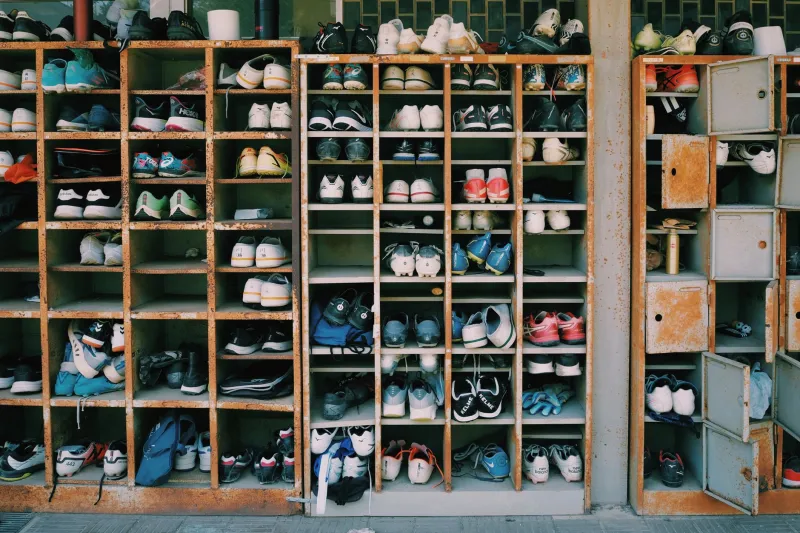
Let's be real for a second. If you've been collecting Jordans for any length of time, there's probably at least one pair sitting in a box that you haven't touched in months. Maybe it was an impulse buy. Maybe it just doesn't fit your style anymore. Maybe you convinced yourself it was going to blow up on the resale market and it... didn't.
No judgment. It happens to everyone. The real question is what you do about it.
A proper collection audit — an honest, methodical look at every pair you own — is one of the most valuable things a budget sneakerhead can do. Done right, it frees up shelf space, puts cash back in your pocket, and forces you to get clear about what you actually want your collection to be. Done wrong, you either sell something you'll regret losing or hold onto dead weight forever.
This guide gives you the framework to do it right.
Step One: Pull Everything Out
No shortcuts here. Before you can evaluate what you have, you need to actually see it all in one place. Pull every pair out of boxes, off shelves, from under the bed, out of that one closet corner where shoes go to be forgotten. Lay them out where you can see them together.
This step alone is informative. You'll immediately notice which pairs you're excited to see again and which ones you're already mentally putting in the sell pile. That gut reaction matters — write it down before you start overthinking.
Step Two: Assess Condition Honestly
Condition is the foundation of every other decision in this audit. A pair in great shape has options — you can wear it, hold it, or sell it. A pair that's been beaten up has fewer options, and you need to be honest about which category each shoe falls into.
Here's a simple condition framework:
Deadstock / Near-Deadstock: Never worn or worn once. Box, tissue, and accessories present. These are your highest-value pairs regardless of silhouette.
Excellent Used: Worn a handful of times with minimal creasing, clean soles, no significant scuffs or staining. Still presentable and sellable at a decent price.
Good Used: Regular wear shows, but the shoe is clean and structurally sound. Comfortable to wear, but resale value takes a hit.
Heavily Worn / Project Pair: Significant creasing, sole wear, or cosmetic damage. Resale value is minimal unless it's a particularly rare model. These are either daily beaters or candidates for the donation pile.
Be ruthless in your assessment. Wishful thinking about condition is how people price their resale pairs incorrectly and wonder why nothing sells.
Step Three: Check Current Market Demand
Condition tells you what you have. Market demand tells you what it's worth right now. These are two different conversations.
Spend some time on StockX, GOAT, and eBay's sold listings (not active listings — sold listings show what people actually paid, not what sellers hope to get). Look up every pair in your collection and note the current going rate for your size and condition.
You might be surprised in both directions. Some pairs you've undervalued are actually moving well. Others you assumed were heat are sitting stagnant at prices lower than you expected.
Pay particular attention to momentum. A shoe with a flat or declining resale trajectory is different from one that's been slowly climbing. Timing your sell decisions around market momentum can meaningfully affect what you walk away with.
Step Four: Get Honest About Wearability
This is where a lot of collectors lie to themselves. Ask this question plainly: In the next six months, will I actually wear this pair?
Not "could I theoretically wear it" or "I might wear it for a special occasion." Will you? Realistically?
If a shoe doesn't fit your current wardrobe, doesn't match your lifestyle, or just doesn't excite you when you think about lacing it up, that's information. A sneaker collection isn't a museum — it should be a living, rotating thing that connects to how you actually dress and move through the world.
Pairs that score low on wearability need to justify their shelf space through either strong sentimental value or meaningful resale potential. If they have neither, they're clutter.
Step Five: Apply the Four-Box Method
Once you've gone through conditions, market data, and wearability honestly, sort every pair into one of four categories:
Box 1 — Core Collection: Pairs you wear regularly, love deeply, or are strategically holding because the market trajectory is strong. These stay.
Box 2 — Sell Now: Pairs with decent resale value that you're not wearing and don't have strong attachment to. List these immediately while the market is favorable.
Box 3 — Hold and Monitor: Pairs where the market is currently soft but you believe demand will return, or pairs you're emotionally attached to but need more time to decide on. Revisit in 90 days.
Box 4 — Donate or Trade: Pairs with minimal resale value, heavily worn condition, or that just need to go to someone who'll actually use them. Local community swap meets, Facebook Marketplace trades, or donation drives are all solid options here.
What to Do With the Money You Free Up
Here's the part that makes the whole audit worth doing. Once you've sold your Box 2 pairs, you've got fresh capital to work with. And this is where budget collecting gets genuinely exciting.
Rather than immediately chasing the next drop out of habit, take a beat. Think about what your collection is actually missing. Is there a silhouette you've always wanted but couldn't justify at full price? A colorway of a shoe you already own that would round out the rotation perfectly?
For a lot of collectors who go through this process, the audit clarifies what they actually want their collection to be — and often, the answer involves going deeper on fewer silhouettes rather than continuing to collect broadly. Some of the best budget collections we've seen have come out of exactly this kind of reset.
The Ongoing Practice
A collection audit isn't a one-time event. The best collectors do a version of this every six months or so — a lighter check-in that keeps the collection from getting bloated and keeps capital moving. Think of it less like spring cleaning and more like routine maintenance.
Your collection should reflect who you are right now, not who you were when you bought every pair in it. Keeping it current keeps it meaningful — and keeps your budget working for you instead of sitting in boxes.