The Quiet Window: How Jordans Hit Their Lowest Price 6 to 9 Months After Release
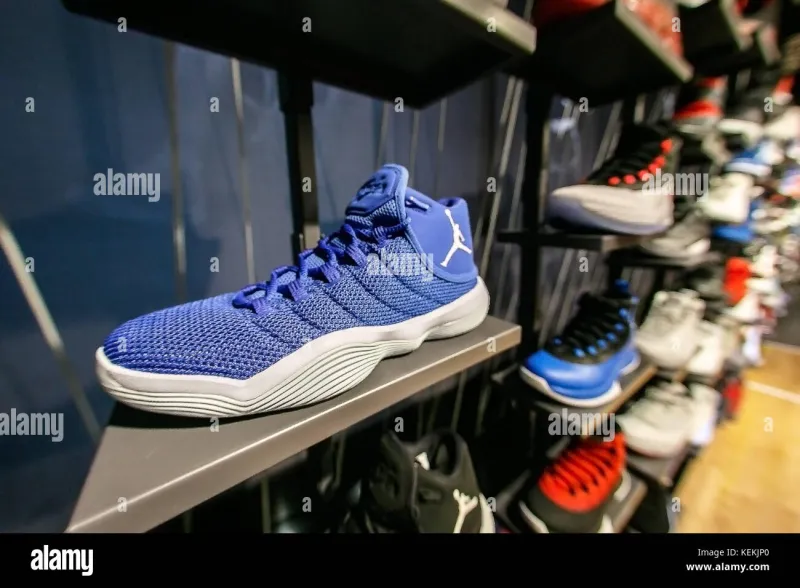
Photo: Jordan sneakers sale price markdown retail store shelf, via c8.alamy.com
Release day for a Jordan retro is loud. Social media posts, lineup photos, SNKRS app crashes, resale prices spiking before the shoe even ships. It's designed to feel urgent — like if you don't cop right now, you never will.
But here's what nobody's posting about: six to nine months after that same release, a lot of those shoes are sitting on shelves at 30 to 50 percent off retail. Sizes that sold out in seconds on drop day are quietly restocked. Retailers who over-ordered are quietly desperate to move units. And the buyers who understood that this moment was coming are quietly winning.
This is the second-act drop. And it's the most reliable discount window in the Jordan market.
Why the Hype Cycle Creates a Pricing Valley
To understand why this window exists, you have to understand how Jordan retro releases are structured from a retail inventory perspective.
When Nike confirms a retro colorway, retailers place orders months in advance — often 6 to 12 months before the drop date. They're betting on demand based on historical performance of the silhouette, the colorway's cultural significance, and the general hype temperature at the time of ordering. For most retros, that bet is educated but imperfect.
Here's what typically happens next:
Months 1-2 post-release: Hype is at peak. Full-price sell-through is strong. Resale market is active. Retailers have no reason to discount.
Months 3-4: The cultural conversation around the shoe fades. New drops are consuming attention. Sell-through slows. Retailers start seeing inventory pile up in less-popular sizes and colorways.
Months 5-6: Nike begins fulfilling backorders and restocking retailers who requested additional inventory during the initial hype wave. But demand has already moved on. Now retailers are sitting on more units than they expected.
Months 6-9: This is the window. Retailers have two competing pressures — they need floor space for upcoming releases, and they need to hit their quarterly sales numbers. The path of least resistance is markdowns. Prices drop. And they drop hard.
Months 10-12+: Whatever doesn't sell in the markdown window either gets sent to outlets, gets discontinued from the retailer's catalog, or lingers at a price floor until it's gone. The deal window closes.
The Retail Psychology Behind the Desperation
It's worth sitting with the seller's mindset during that 6-to-9-month window, because it explains why the discounts get as deep as they do.
A regional manager at a Foot Locker or Champs isn't thinking about the shoe's cultural legacy or its resale value. They're thinking about sell-through rates, inventory turnover metrics, and the new product that's arriving next month and needs shelf space. A Jordan retro that's been sitting at full retail for six months is a problem to be solved, not an asset to be protected.
This creates genuine urgency on the seller's side — the kind of urgency that produces real markdowns rather than the manufactured kind. When a shoe goes 30% off at a major retailer in this window, it's not a promotional tactic. It's a retailer trying to move a unit before it becomes a write-off.
For the buyer who's been patient, this is the moment you've been waiting for.
How to Map the Window for Any Jordan Retro
The practical question is: how do you track this for specific shoes without just stumbling into it by accident?
Start with the release date. Nike and every major sneaker publication announce Jordan retro releases months in advance. When you see a colorway you want, note the release date and set a calendar reminder for five months out. That's your "start checking" date.
From that point, do a weekly price check across a short list of retailers: Nike.com, Foot Locker, Champs Sports, Finish Line, JD Sports, and Dick's Sporting Goods. You're not buying yet — you're watching. The moment you see a markdown appear at one retailer, it usually signals that others are about to follow. Retail pricing in this channel is competitive; when one major player drops price, others tend to match within days or weeks.
Also watch the secondary market during this window. When StockX and GOAT prices dip below retail, that's a strong signal that the primary market is about to move. Resellers who bought hoping to flip are often the first to panic-sell when demand softens, and their behavior on the secondary market previews what's about to happen at retail.
Real Silhouettes, Real Patterns
This pattern holds across the Jordan retro catalog pretty consistently, but it's especially reliable for mid-tier silhouettes — the shoes that generate solid launch-day interest but aren't cultural lightning rods. The Air Jordan 18 is a perfect example. It's a respected silhouette with a real fanbase, but it's not a Jordan 1 or Jordan 3. When a new 18 colorway drops, the hype window is real but relatively short. By month six, prices are almost always softer than they were at launch.
The same dynamic plays out for Jordan 12s in less iconic colorways, Jordan 14s outside the "Last Shot" tier, and most Jordan 11 Low releases. Basically: if it's not one of the five or six most culturally significant colorways in a silhouette's history, expect the second-act window to arrive on schedule.
The Patience Dividend
There's a reason most buyers miss this window. Launch day is exciting. The algorithm serves you content about the shoe when it's new. Your timeline is full of people flexing their cop. Waiting six months feels like missing out.
But the math doesn't lie. A Jordan retro at 40% off retail is a better financial outcome than the same shoe at full price, full stop. And the shoe on your feet doesn't know when you bought it.
The second-act drop isn't a secret — it's just a reward for buyers who have the discipline to wait while everyone else rushes. Build your want list, track your release dates, set your reminders, and let the calendar do the work. The quiet window opens on schedule, every time.