The Part of a Used Jordan Nobody Checks — And Why It's the Most Important Thing on the Shoe
Everybody knows to check the toe box. Everybody looks at the midsole for yellowing. People hold the shoe up to the light looking for creases, check the heel counter for crush, and squint at the stitching for anything that looks off.
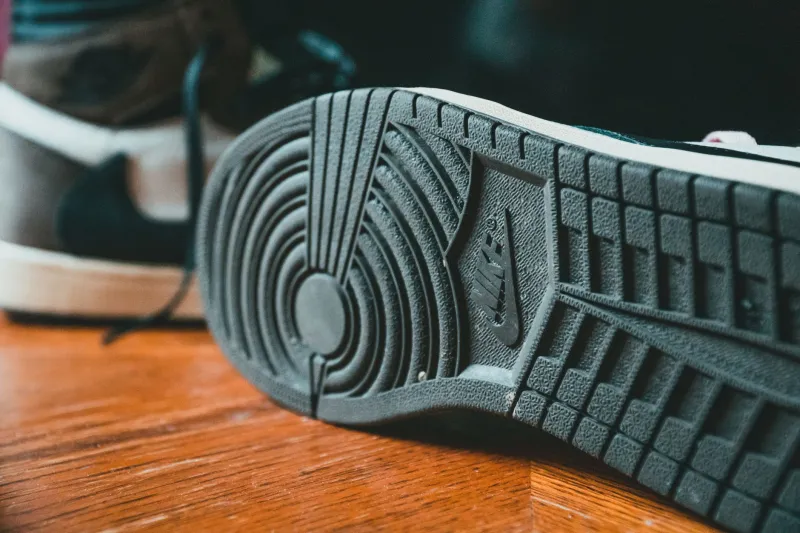
And then they flip the shoe over, give the outsole a glance, and move on.
That's the mistake. Because the outsole — specifically the condition of the grip — is one of the most telling indicators of a used Jordan's actual value. And most budget buyers are leaving real money on the table by not knowing how to read it.
Why Grip Condition Is a Value Factor, Not Just a Wearability Factor
Here's the thing about outsole wear: it doesn't just affect how the shoe performs. It directly impacts resale value, and it tells you a story about how the previous owner actually wore the pair.
A shoe with significant grip wear has been used hard. That means the midsole cushioning has also been compressed, the upper has been stressed, and the overall structural integrity of the shoe is lower than it would be on a lightly worn pair — even if the upper looks clean. On the flip side, a shoe with minimal outsole wear but a scuffed-up upper might actually be a better long-term investment, because the cushioning and sole structure are still largely intact.
When you're calculating cost-per-wear on a budget buy, grip condition is one of the most honest data points you have.
How to Actually Inspect an Outsole
Let's get specific. When you're evaluating a used pair, here's what to look for:
Wear Pattern Distribution
Flip the shoe over and look at where the tread has worn down. Even wear across the full outsole usually means the shoe was used for general walking or casual wear — that's actually a decent sign. Heavy wear concentrated at the ball of the foot and the heel with relatively untouched areas in between suggests the shoe was used for athletic activity, specifically running or playing ball. That kind of targeted wear stresses the cushioning system much more aggressively.
Tread Depth
Jordan outsoles have varying tread depths depending on the model, but a good baseline check is to run your thumbnail across the pattern. If you're not catching any real edge, the tread is significantly worn. On older models, this can also affect how the rubber compound grips different surfaces — worn tread on a herringbone pattern, for example, loses its multidirectional grip advantage almost entirely.
Delamination and Separation
Check the perimeter where the outsole meets the midsole. Any lifting, bubbling, or separation is a red flag — not just cosmetically, but structurally. Once that bond starts going, it tends to accelerate. A pair showing early delamination is going to need a resole or a solid glue job before you're putting real miles on it.
Outsole Cracking
This one matters more on older pairs. Rubber compounds on vintage Jordans can dry out and develop hairline cracks even on pairs that were stored rather than worn. If you see cracking on the outsole, check whether it's surface-level or deep. Deep cracking means the rubber has lost its flex and you're going to see chunks separating with regular wear.
The Beater Pair Paradox
Here's something counterintuitive that a lot of budget buyers miss: a pair labeled as a "beater" with cosmetic damage but solid grip can actually be a smarter long-term investment than a deadstock pair that's been sitting in a box for fifteen years.
Why? Because the beater pair has already proven it can take wear without falling apart. You know the rubber is still flexible, the adhesive is holding, and the cushioning — if the wear pattern is even — has some life left. A fifteen-year-old deadstock pair carries unknown risk: degraded foam, potentially brittle rubber, and adhesives that may have dried out completely.
For someone who actually wants to wear their Jordans rather than display them, a well-inspected beater with solid grip remaining can deliver more real-world value than a pristine pair that disintegrates the first time you take it outside.
Pricing Used Pairs Based on Grip Condition
If you're shopping used Jordans and trying to figure out what a fair price looks like, here's a rough framework based on outsole condition:
- Full tread, no wear visible: You're looking at a lightly worn pair. Price should reflect near-deadstock condition unless there's significant upper damage.
- Light wear, pattern still clear and deep: This is the sweet spot for budget buyers. The shoe has been broken in but has plenty of life left. Expect a meaningful discount off deadstock pricing.
- Moderate wear, pattern visible but shallow: Factor in that you're getting maybe 40-60% of the remaining wearable life. Price accordingly, and make sure the upper and midsole condition justify the ask.
- Heavy wear, pattern mostly flat: Unless the price is genuinely low and you're planning a resole, walk away. The cost of a professional resole plus the purchase price often exceeds what you'd pay for a better-condition pair.
Making the Call at the Counter
When you're at a consignment shop, a sneaker market, or buying through an app, you don't always get a ton of time to inspect. So train yourself to flip the shoe over first — before you even look at the upper. Let the outsole set your initial read, and then work your way up.
If the grip is solid, you're already in a good position. If it's compromised, everything else on the shoe needs to be exceptional to justify the price.
Budget buying isn't just about finding the lowest sticker price. It's about understanding true value — and the outsole is where that calculation starts.