Wait for It: The Pricing Timeline Every Jordan Buyer Needs to Understand
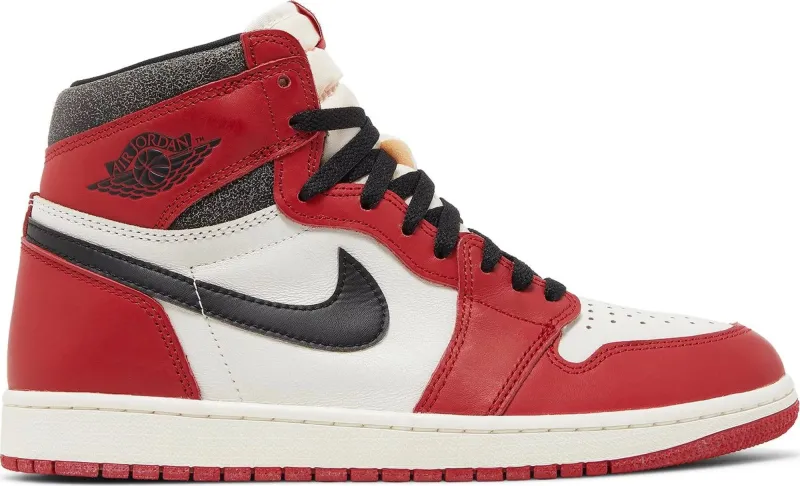
Photo: Jordan sneakers price tag sale discount shopping, via cms-cdn.goat.com
Everybody wants the new heat the second it drops. That's just how sneaker culture works. But if you're shopping on a budget — and most of us are — chasing release-day prices is one of the fastest ways to overpay for shoes you could've grabbed for way less just by being patient.
The thing is, Jordan retros follow pretty predictable pricing patterns once you know what to look for. There's a window — usually somewhere in that 12-to-24-month range after a retro hits shelves — where prices stop climbing and start falling. Understanding that window is the difference between copping smart and getting played.
Let's break it down.
The Hype Spike: What Happens in the First 90 Days
When a Jordan retro drops, resale prices almost always spike immediately. Resellers buy out inventory, bots clear digital shelves, and suddenly the shoe that retailed for $180 is sitting on StockX for $280. This is the worst time to buy — unless you got lucky on the SNKRS app or happened to walk into the right Nike outlet at the right moment.
For the first three months post-drop, supply is artificially compressed. Resellers are holding, hype is peaking, and buyers are still emotionally attached to the release-day energy. Prices reflect that.
The 6-Month Plateau: When the Market Catches Its Breath
Around the six-month mark, something shifts. The people who bought to flip start getting impatient. Deadstock pairs that haven't moved start getting relisted at lower prices. If it's a general release — not a limited collab or a super hyped colorway — you'll often see resale prices drop 10–20% from their peak.
This is when casual interest starts buying in. Prices stabilize, but they're not at their floor yet. Still not the best time to pull the trigger if you can wait.
The 12-Month Mark: Where It Gets Interesting
A year out from a retro drop is where budget buyers should start paying close attention. By this point, the sneaker has cycled through most of its hype. Wear reviews are everywhere. The shoe is showing up in clearance sections. Retail inventory that didn't sell is trickling into outlet stores and discount sites.
For mid-tier Jordan silhouettes — think Air Jordan 11 Lows, Air Jordan 18s, Air Jordan 12s in less popular colorways — the 12-month mark often represents a 25–40% discount off original resale peaks. That's real money.
Why Some Jordans Drop Faster Than Others
Not every retro follows the same curve, and understanding why matters for your buying strategy.
General releases fall faster. If Nike made a lot of pairs and the shoe was widely available, prices crater quicker. Shoes like the Air Jordan 18 — which retailed across multiple colorways and weren't limited — tend to reach deal territory faster than hyped limited drops.
Collab pairs hold longer. Anything tied to a cultural moment, a celebrity, or a limited production run is going to hold resale value longer. Don't expect to snag a Travis Scott Jordan at a discount anytime soon.
Colorway matters more than you think. The same silhouette in a less popular colorway might hit deal prices in 10 months. The OG colorway of the same shoe could stay elevated for two years. Always check which specific pair you're tracking.
Lifestyle wearability speeds up the drop. Shoes people actually want to wear — not just display — tend to see faster price normalization because buyers are actually using them up. The Jordan 18 is a perfect example: it's a wearable retro with real court heritage, and worn pairs circulate regularly at accessible prices.
The 18-Month Sweet Spot (And Why It's Not Always 18 Months)
The "18-month rule" gets thrown around a lot in budget sneaker circles, and for good reason — it's a solid general guideline for general release Jordan retros. But it's a starting point, not a hard deadline.
For high-demand colorways of iconic silhouettes (Air Jordan 1 Chicago, for example), you might be waiting three years or more for prices to feel reasonable. For a mid-tier retro in a sleeper colorway? You might find deal prices at the 10-month mark if you're watching closely.
The real rule is this: track the shoe, not the calendar. Set price alerts on StockX and GOAT. Check eBay sold listings every couple of weeks. When you see consistent sales happening 15–20% below what the shoe was moving for six months ago, that's your signal.
A Simple Framework for Timing Your Cop
Here's how to think about it practically:
- 0–3 months post-drop: Only buy if you got retail. Never pay resale premiums in this window.
- 3–6 months: Prices are still elevated but starting to soften. Watch, don't buy.
- 6–12 months: General releases start entering deal territory. Set price alerts.
- 12–18 months: Prime buying window for most Jordan retros. This is where budget buyers win.
- 18+ months: Prices are typically at or near floor. Best deals, but some sizes may be gone.
The tradeoff with waiting longer is always size availability. Popular sizes — 10, 10.5, 11 in men's — disappear first. If you're in a common size, factor that into your timeline. Sometimes copping at 12 months beats waiting until 18 because your size is still in stock.
Patience Is a Buying Strategy
The sneaker game rewards the impatient with hype and the patient with savings. If you're building a real Jordan rotation on a budget, you can't afford to chase every release at peak prices. But you also can't be so passive that you miss the window entirely.
Know what you want. Track the market. Buy when the data tells you to, not when the hype tells you to. That's how you build a collection that actually makes financial sense — and still looks like you spent way more than you did.