Locker Room Liquidations: The Off-Season Athlete Sneaker Sell-Off Most Fans Never Hear About
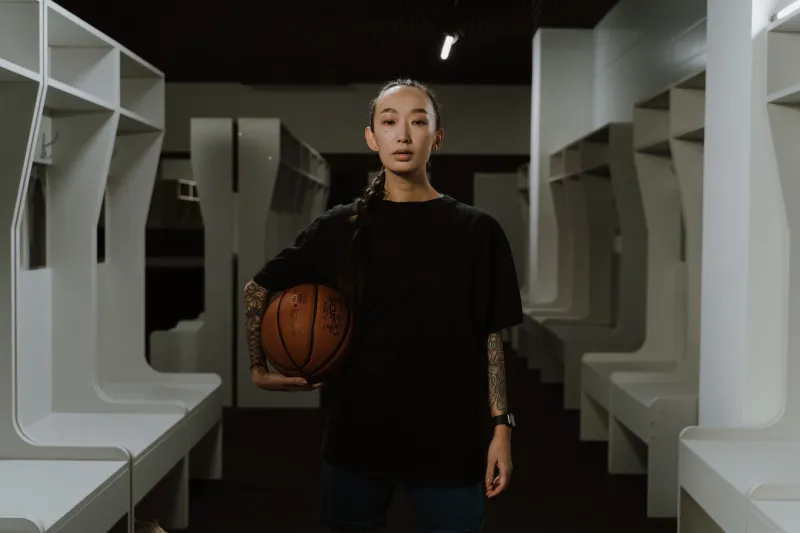
There's a moment every spring, right after the NBA playoffs wrap and college basketball goes quiet, when something interesting happens in locker rooms across the country. Boxes get stacked. Bags get filled. And sneakers — sometimes dozens of pairs per player — start moving out the door.
Athletes at the professional and high-level college tiers receive more footwear than any human being could reasonably wear. Nike, Jordan Brand, and Adidas flood sponsored athletes with product throughout the season — player exclusives, practice pairs, PEs that never hit retail, and standard retail models in bulk. When the season ends, that inventory has to go somewhere. And a surprising amount of it ends up available to regular buyers through channels that rarely make headlines.
This is the off-season athlete sneaker sell-off. And if you've never tapped into it, you're leaving real money on the table.
Why Athletes Have So Many Shoes to Move
NBA players on sponsored rosters receive footwear shipments on a rotating basis throughout the season. Depending on the endorsement tier, a player might receive new practice shoes every two weeks, multiple colorways of their signature or team-assigned model per month, and promotional pairs tied to specific games or events. Multiply that across a full season and you're looking at potentially 50 to 100 pairs per player annually.
College athletes operate under a different system — NCAA rules have evolved to allow athletes to benefit from their name, image, and likeness (NIL), which has opened up new ways for college players to monetize gear they receive from school apparel deals. Before NIL, surplus gear moved through equipment managers and informal channels. Now, college athletes can sell directly and legally.
The result is a consistent, seasonal flood of athletic inventory — including a significant number of Jordan Brand shoes — that hits the market every spring and early summer.
The Channels Where This Inventory Surfaces
Athlete-Run Instagram Accounts and Stories
This is the most direct channel and the one most people miss because it requires actually following the right accounts. Mid-tier NBA players, G-League athletes, and college basketball players frequently post shoe sales directly to their Instagram Stories or create dedicated sale highlight reels. These posts go up fast and disappear in 24 hours, which means you have to be watching.
Search Instagram for college basketball players at major programs — look for posts tagged with terms like "gear sale," "moving pairs," or just a direct photo of a shoe stack with a DM-for-price caption. The prices are typically well below retail because the athlete's goal is moving volume, not maximizing margin.
Athlete Charity Auctions
This channel gets overlooked because people assume charity auctions mean inflated prices. Sometimes that's true for high-profile items. But athlete charity auctions — especially those run through smaller foundations or local community organizations — frequently include lots of unworn sneakers that don't attract the same bidding competition as jerseys or signed memorabilia.
Keep an eye on platforms like Charity Buzz and 32 Auctions, and follow the social accounts of NBA players' personal foundations. Off-season charity events in smaller markets (think: a player's hometown charity gala in a mid-sized city) often list auction items that fly under the radar of national sneaker buyers.
Equipment Manager and Team Staff Channels
This one requires more networking but delivers some of the most interesting finds. Team equipment managers are often authorized to move surplus gear at the end of a season, and they frequently do so through personal networks — local sneaker consignment stores, trusted buyers they've dealt with before, or direct sales to fans who've built relationships over time.
If you're in a city with a professional sports franchise, getting to know the staff at consignment shops that have team relationships can put you in the pipeline for these drops. It's relationship-based, but it's real.
NIL Marketplaces and College Athlete Platforms
Since NIL rules changed in 2021, several platforms have emerged to connect college athletes with buyers for gear, memorabilia, and experiences. Sites like Dreamfield, Opendorse, and even direct Depop stores run by college athletes have become legitimate channels for buying game-used and surplus athletic gear — including shoes.
College Jordan Brand athletes (programs like North Carolina, Michigan, and others with Jordan Brand partnerships) are particularly worth following, since their surplus gear is often Jordan-specific.
Timing Is Everything
The off-season window runs roughly from mid-April through mid-August, with the heaviest activity in May and June. This aligns with:
- NBA season ending and players cleaning out lockers
- College basketball finishing up and athletes transitioning
- Training camp gear arriving in late summer, which motivates clearing out last season's stock
Set calendar reminders for early May and start monitoring your target accounts. The deals that surface in this window are often gone within 48 hours.
What Prices Actually Look Like
Expectations matter here. You're not going to find a player exclusive Jordan for $20. But you will regularly find unworn retail Jordans in the $40 to $75 range, practice-grade pairs (slightly used but structurally sound) in the $25 to $50 range, and occasionally PE-adjacent colorways that have real collector value at prices that reflect an athlete's desire to move product rather than profit from it.
The value proposition is strongest when you're looking for specific sizes — athletes are real people with real shoe sizes, and if your size happens to match, you're in an excellent position.
The Cultural Side of This Market
There's something genuinely interesting about buying sneakers through this channel that goes beyond the price. A pair of Jordans that came out of an NBA locker room carries a story that a standard retail purchase doesn't. You're not just buying a shoe — you're buying a piece of the season, a connection to the game.
For budget collectors, that narrative value is essentially free. The shoe is priced on its utility, not its provenance. Which means you get the story at no extra charge.
Getting Started
Start small: follow 10 to 15 mid-tier NBA players and college basketball players at Jordan Brand schools on Instagram. Check their Stories daily during the May-June window. Join Facebook groups dedicated to athlete gear sales — search terms like "NBA gear," "athlete sneaker sale," and "NIL gear" will surface active communities.
Be patient, be fast when something surfaces, and be ready to pay via Venmo or PayPal Friends & Family (with appropriate caution). This market rewards the prepared buyer.