Why Your Local Sneaker Boutique Is Quietly Dumping Last Season's Jordans at Rock-Bottom Prices
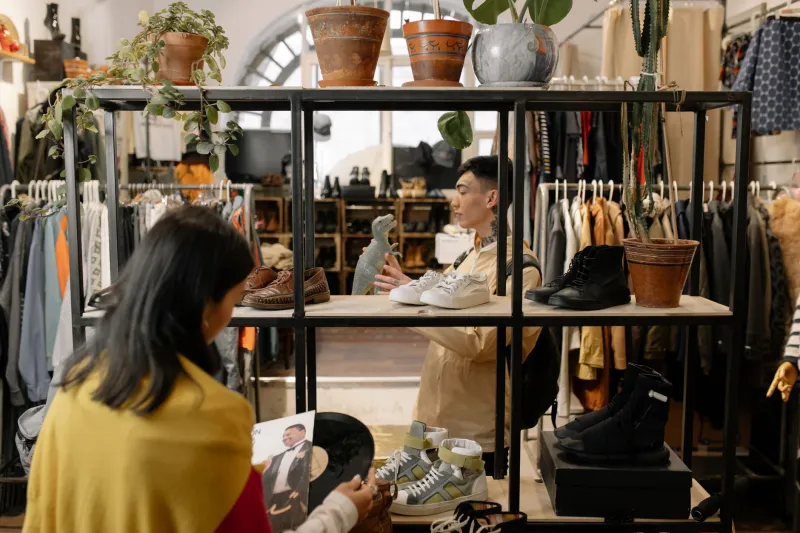
If you've walked into a local sneaker boutique lately and noticed a rack full of Jordans with price tags that seem almost too good to be true, you're not imagining things. Independent shops around the country are quietly offloading last season's inventory at margins that would make a Nike executive wince. And for budget-conscious sneakerheads, this is genuinely one of the best opportunities the market has handed us in years.
So what's actually going on behind the scenes? And more importantly, how do you position yourself to grab the best deals before they disappear?
The Inventory Pressure That Boutiques Don't Talk About
Here's something most casual shoppers don't realize: independent sneaker boutiques operate on completely different financial logic than Nike or Foot Locker. When a small shop in Atlanta or Chicago takes on a shipment of Jordan 18s or any other retro release, they're typically buying that inventory outright. There's no return policy. No buyback program. If those shoes don't move within a certain window, the shop owner is sitting on capital that could be funding the next hot drop.
"We have maybe a 90-day sweet spot where a shoe sells at full price," said one boutique owner in Dallas who asked to remain anonymous. "After that, the hype cycle has moved on and we're competing with restocks, secondary market corrections, and whatever Nike decides to push next. We'd rather take 30 percent off and move the product than let it collect dust for six months."
That 90-day window is your golden ticket. Once a Jordan release clears that initial hype period and the boutique's social media posts stop getting traction, the mental math changes for the store owner. Discounts start appearing—sometimes gradually, sometimes overnight.
How This Cycle Actually Works
Most boutique discount cycles follow a predictable pattern once you know what to look for. Here's a rough breakdown:
Weeks 1–4 after release: Full retail, sometimes a small markup if the shop is playing the game. High demand, limited sizes available.
Weeks 5–10: Inventory starts sitting. The boutique might push a small sale or bundle deal on social media to generate urgency.
Weeks 11–16: This is where the real discounts start. Shops are motivated. You'll see 20–35% off appearing on platforms like Instagram Stories, in-store signage, or the boutique's email list.
Beyond week 16: Clearance territory. If a shoe hasn't moved by this point, some shops will slash prices dramatically—sometimes 40–50% off—just to recoup floor space and free up buying power for upcoming releases.
The trick is catching the window between weeks 11 and 16. Deep enough into the cycle that prices have dropped meaningfully, but early enough that your size hasn't been picked clean by other bargain hunters.
Nike's Strategy vs. The Boutique Reality
Nike's official pricing approach is a completely different animal. The brand uses scarcity, controlled restocks, and SNKRS app drops to maintain perceived value and keep retail prices locked in. Nike doesn't need to discount because the demand management is baked into the release strategy itself. Limited quantities, membership exclusives, and regional rollouts all serve to keep prices sticky.
Boutiques don't have that luxury. They bought the product at wholesale, they have rent to pay, and they don't control the broader narrative around a shoe's desirability. When Nike pumps out a massive restock of a colorway that your local shop has been sitting on, the boutique's leverage evaporates overnight. Suddenly they're competing with Nike.com, Foot Locker, and Finish Line on price—and they simply can't win that fight at full retail.
This tension between Nike's controlled release ecosystem and the boutique's inventory reality is exactly what creates the discount opportunities budget buyers love.
Where to Find These Deals Before They Vanish
The boutique discount game rewards people who do a little homework. Here's how to stay ahead of it:
Follow boutique Instagram accounts religiously. Small shops almost always announce sales on Instagram first, often as Stories that disappear in 24 hours. Turn on post notifications for your favorite local stores.
Get on email lists. It sounds basic, but boutique email subscribers often get first access to markdown announcements. Most shops aren't running sophisticated marketing operations—they're just blasting their list when they need to move product.
Check in-store on weekday mornings. Boutique owners are more likely to make on-the-spot deals when foot traffic is slow. Weekend crowds create a false sense of demand; a quiet Tuesday morning is when you have the most negotiating leverage.
Track specific colorways on StockX and GOAT. When resale prices on a Jordan colorway start dropping significantly, that's a signal that boutiques with remaining inventory are about to follow suit. Use secondary market data as a leading indicator for boutique discounts.
Ask directly. Seriously. Walk in, point to the shoe you want, and ask if there's any flexibility on price or if a sale is coming up. Boutique staff are often empowered to make deals, especially on slow-moving inventory. The worst they can say is no.
The Air Jordan 18 Is a Perfect Case Study
The Jordan 18 has become a textbook example of how this cycle plays out for budget buyers. When certain colorways first hit boutique shelves, they moved at full retail or close to it. But as Nike continued rolling out new 18 colorways and the hype spotlight shifted, shops that were sitting on older stock started getting aggressive with discounts.
For buyers who weren't chasing the latest drop and were happy to grab a colorway from a season or two back, the savings were significant. We're talking about a legitimately premium silhouette—carbon fiber shank plate, premium leather, one of the most distinctive designs in the Jordan line—available at prices that undercut a lot of basic athletic sneakers.
That's the Jordan 18 effect in action: a shoe with real quality credentials gets caught in the boutique inventory cycle and ends up available at a fraction of its original hype price. Patient buyers win.
Timing Your Move
The biggest mistake budget sneakerheads make is trying to catch deals too early. If you're refreshing a boutique's website the week after a release hoping for a markdown, you're going to be disappointed. The discount cycle needs time to develop.
Set a reminder on your phone. If you see a Jordan colorway drop that you like but can't justify at full price, give it 60–90 days and then start actively checking boutique inventory. By that point, you'll often find your size available at a price that actually makes sense for your budget—without having to fight through a SNKRS app queue or overpay on the resale market.
The boutique discount cycle isn't a glitch in the sneaker economy. It's a feature, if you know how to use it.