The 72-Hour Markdown Window: A Step-by-Step System for Catching Jordan Clearance Before It's Gone
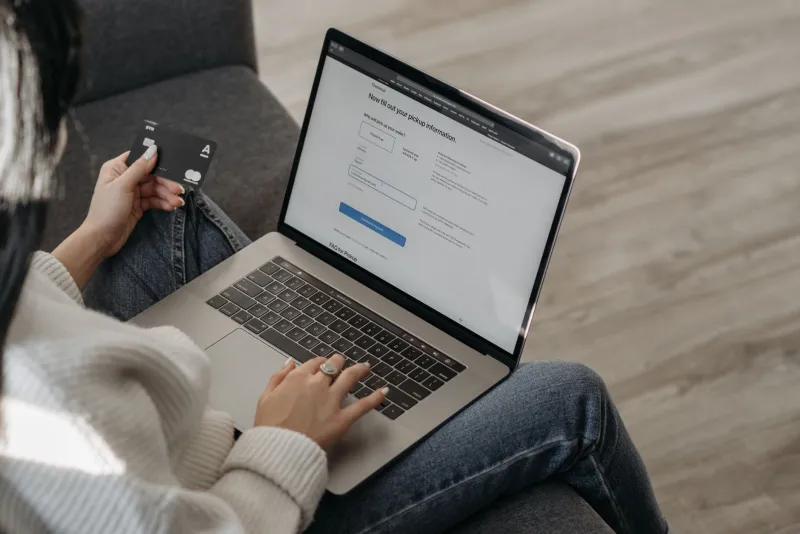
Here's something most casual Jordan buyers don't realize: clearance pricing at major sneaker retailers isn't random. It follows a rhythm. Inventory gets reviewed, shelf space gets reallocated, and markdown decisions happen on a schedule — usually tied to new product arrivals and seasonal transitions. That creates a predictable window, typically somewhere in the 48-to-72-hour range, where discounted Jordans are available before they either sell out or get pulled back into general stock rotation.
If you've ever shown up to a sale only to find the sizes are gone, this is why. You missed the window. The good news is the window is learnable, and with the right setup, you can be first in line without camping outside a store or refreshing pages manually all day.
Understanding Why the Window Exists
Retailers — Nike.com, Foot Locker, Finish Line, Dick's Sporting Goods, and their outlet counterparts — operate on inventory cycles tied to both the calendar and their buying agreements with Nike. When new season inventory arrives, old stock needs to move. That's when markdown decisions get made, usually by a buying team or automated inventory management system.
The timing tends to cluster around a few predictable moments: early January (post-holiday clearance), late June through early July (summer transition), and late August (back-to-school inventory refresh). During these windows, previous-season Jordans get repriced — sometimes aggressively — to free up floor and warehouse space. The markdown goes live, stock starts moving, and within 48-72 hours, popular sizes in popular colorways are gone.
Outlet stores operate on a slightly different but equally predictable schedule. Nike Factory Stores typically receive new markdown batches on Thursdays, with additional price adjustments sometimes hitting on Sunday evenings ahead of the Monday week start. That's not a guarantee, but it's a pattern consistent enough to be worth building around.
Step One: Build Your Alert Infrastructure
The foundation of this system is getting notified before you have to go looking. Here's the stack that works.
Retailer Email Lists — Sign up for email alerts from Nike, Foot Locker, Finish Line, DICK'S, and any outlet-adjacent retailer in your area. The key is creating a dedicated email folder or label for these so they don't get buried. When a sale goes live, these emails typically go out within hours of the markdown being applied.
Google Alerts — Set up alerts for search terms like "Jordan clearance sale," "Air Jordan markdown," and specific silhouette names you're targeting. This catches news articles, deal forums, and blog posts that surface when a sale goes live. It's a broader net but catches things email lists miss.
Camelcamelcamel and Honey — These browser-based price trackers work on Amazon and some third-party sellers. If you're watching for a specific Jordan that occasionally surfaces through Amazon's sneaker marketplace, these tools will notify you when the price drops below a threshold you set.
Slickdeals and Reddit's r/Sneakers — Community-sourced deal alerts are often faster than any automated tool. Real people posting real screenshots of in-store and online markdowns. Set keyword notifications on Slickdeals for "Jordan" and check r/Sneakers during known sale windows.
Step Two: Know Your Targets Before the Window Opens
The worst thing you can do is try to make buying decisions in the middle of a live sale. When the alert hits and the clock is running, you need to already know exactly what you want, in what size, and what price point represents a genuine deal versus a modest discount that's not worth the urgency.
Before any known sale window, make a list. Three to five specific Jordan models or colorways you'd actually wear and that fit your budget at clearance pricing. Know your size in each silhouette — Jordan sizing varies enough between models that you shouldn't be guessing when you're racing against stock depletion.
Also know your ceiling. If a Jordan 18 retails at $185 and you've decided $110 is your buy price, don't talk yourself into $140 just because it's "on sale." Deals that don't meet your criteria aren't deals.
Step Three: Move Fast, But Don't Skip Verification
When an alert fires, your first move is to verify the deal is legitimate before adding to cart. Fake sale pricing — where a retailer inflates the "original" price to make a modest discount look larger — is common enough to watch for. Cross-reference the listed "original" price against what the shoe actually retailed for at launch. A $220 "original" price on a shoe that launched at $175 is a red flag.
Also check multiple retailers simultaneously. If Nike.com has a colorway at 30% off, Foot Locker and Finish Line may have the same shoe at a steeper discount or in sizes that are already sold out on Nike's site. Open tabs on all your target retailers the moment a sale alert hits.
Step Four: The In-Store Angle Most People Ignore
Online alerts are faster, but physical stores — especially Nike Factory Stores and Foot Locker clearance sections — often have inventory that never hits the website. The 72-hour window applies there too, and in-store markdown timing tends to happen mid-week, which means a Thursday or Friday visit during known sale seasons is worth building into your routine.
Bring your alert list. Bring your size chart. And if you find something that meets your criteria, don't overthink it. The window is real, and the inventory won't wait.
Making the System Repeatable
The buyers who consistently score the best Jordan deals aren't lucky. They've built a repeatable system that puts them in the right place at the right time, every time. The 72-hour window is predictable enough that with the right alerts and a clear target list, you can start catching markdowns that most people never even know existed.
Set it up once. Refine it after your first successful cop. And let the system do the work while everyone else is paying full retail.