Patience Pays: How the Air Jordan 18 Resale Market Creates 40% Discount Windows for Smart Shoppers
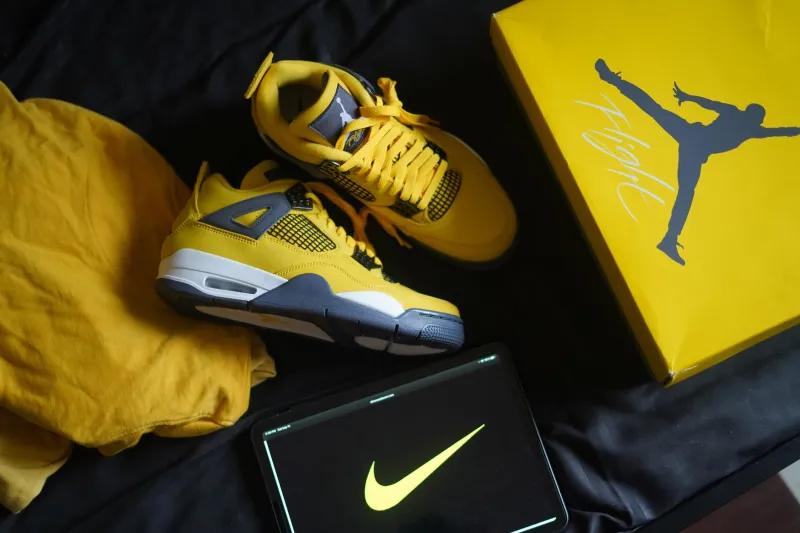
Most people treat sneaker resale like a slot machine — pull the trigger, hope for the best, and wince at the total. But if you've been watching Air Jordan 18 listings long enough, you start to notice something interesting: prices don't stay flat. They spike, plateau, and then — if you're patient — they fall hard. Like, really hard.
We're talking 30 to 40 percent drops on certain colorways, sometimes within six months of a release. That's not a rumor. That's a pattern. And once you understand the mechanics driving it, you can stop gambling and start shopping strategically.
Why Jordan 18 Prices Fluctuate More Than You'd Expect
The Air Jordan 18 sits in an interesting spot in the retro Jordan ecosystem. It's not a Jordan 1 or a Jordan 3 — silhouettes with massive mainstream recognition that keep demand consistently high. The 18 has a dedicated fanbase, but it's a more niche audience. That means its resale market is more sensitive to supply shifts and hype cycles than the blockbuster models.
When Nike drops a Jordan 18 retro, there's an initial surge of buyers — collectors who've been waiting, resellers trying to flip quickly, and casual fans who got caught up in the marketing. That wave of demand drives prices up, sometimes 20 to 50 percent above retail in the first few weeks. Resellers list high because they can. Buyers pay up because FOMO is real.
But here's the thing: the Jordan 18 doesn't have infinite demand. Once that first wave clears, supply starts catching up — and in some cases, overtaking — demand. That's when things get interesting for budget shoppers.
The Six-Month Sweet Spot
Based on resale data patterns across platforms like StockX, GOAT, and eBay, Air Jordan 18 colorways tend to follow a fairly consistent price arc:
Weeks 1–4 (The Hype Window): Prices peak. Resellers are listing at maximum markup. This is the worst time to buy unless you absolutely cannot live without the pair and have money to burn.
Months 2–3 (The Plateau): Prices level off slightly but remain elevated. Some resellers start getting anxious. A few listings drop marginally, but it's not significant enough to celebrate.
Months 4–5 (The Crack): This is where you start seeing real movement. Resellers who bought inventory are sitting on capital they need to redeploy. Listings start undercutting each other. Price drops become more frequent and more aggressive.
Month 6 and Beyond (The Window): This is your moment. Supply has saturated the secondary market, the hype cycle has moved on to newer drops, and motivated sellers are pricing to move. Discounts of 30 to 40 percent off peak resale prices are common here — and on some colorways, even deeper cuts show up.
The key insight is that resellers have holding costs. Every pair sitting in a closet or a storage unit is money tied up that can't chase the next drop. After six months, patience wears thin and prices drop.
How to Read the Signals Without Staring at Spreadsheets
You don't need to be a data analyst to catch these windows. A few simple habits will keep you ahead of the curve.
Watch listing volume, not just price. When you see the number of active listings for a specific Jordan 18 colorway jump significantly on StockX or eBay, that's a supply surge in real time. More supply with the same (or shrinking) demand means prices are about to soften. Set up saved searches and check them weekly.
Track the lowest ask trend. On StockX, the lowest ask is a live indicator of seller sentiment. When that number starts ticking down across consecutive weeks, the floor is dropping. That's your early warning signal that a discount window is opening.
Follow the hype calendar. Jordan 18 prices tend to crater hardest when Nike announces a new, high-profile drop that pulls attention elsewhere. During major retro releases — especially anything Jordan 1, 3, or 4 related — buyers shift focus and resellers of less-hyped models get desperate. A big drop announcement for a different silhouette can be the catalyst that tanks Jordan 18 prices faster than normal.
Check eBay sold listings. This is underrated. Filtering by "sold" on eBay shows you what people actually paid, not what sellers are asking. Comparing current sold prices to sold prices from 60 days ago gives you a real read on whether the market is softening.
Seasonal Patterns Worth Knowing
Beyond the post-drop cycle, there are broader seasonal rhythms that affect Jordan 18 resale prices across the board.
January through February tends to be a buyer's market. Holiday spending has tapped people out, resellers are trying to move inventory before tax season, and demand dips. If a Jordan 18 colorway dropped in the fall, it's often hitting its price floor right around this window.
Summer — particularly July — is another soft period. Sneaker culture slows down a bit, people are spending on vacations and other summer activities, and resale platforms see lower transaction volumes. Less competition among buyers means sellers have to price more aggressively to move product.
Avoid shopping in the October-November window if you can help it. Holiday gift-buying season inflates demand and prices across the board. Resellers know it, and they price accordingly.
When to Pull the Trigger
Knowing when prices might drop is useful. Knowing when to actually buy is the skill that saves you real money.
A good rule of thumb: once a Jordan 18 colorway has been on the resale market for five to six months and you're seeing lowest-ask prices within 10 to 15 percent of retail — or below retail entirely — that's a strong signal the floor is near. Waiting for the absolute bottom is a fool's errand. You'll miss it and watch prices bounce back.
Instead, set a target price that represents a deal you're genuinely happy with. If the market hits that number, buy. Don't wait for another 10 percent drop that may never come. The goal isn't to catch the exact bottom; it's to avoid the top and land somewhere comfortable in the middle-to-lower range.
Also worth noting: size matters, literally. Common sizes like 10 and 11 tend to hold value longer because demand is higher. If you wear a size 13 or a 7, you'll often find deals faster because those sizes sit longer on resale shelves.
The Budget Collector's Edge
Here's the honest truth about the Jordan 18 resale market — most buyers aren't paying attention to any of this. They're buying on impulse, paying peak prices, and wondering why their sneaker budget evaporates so fast.
The budget collector's edge isn't secret information. It's just discipline and a basic understanding of how markets work. Supply and demand are always moving. Hype is temporary. And resellers — despite their reputation — are just people trying to make money, which means they'll eventually lower their prices to do it.
If you're willing to wait six months and do a little homework on listing trends, you can regularly pick up Air Jordan 18s for 30 to 40 percent less than what the hype crowd paid. That's not a small deal. On a $180 retail pair trading at $250 at peak resale, a 40 percent drop brings you back down to $150 territory — below retail, for a pair someone else already authenticated and listed.
Patience isn't just a virtue in sneaker collecting. It's a strategy. And for the Air Jordan 18, it's one that pays off on a pretty reliable schedule.